Jewelry Leads Luxury in 2026: What Bain's Luxury Study Means for Collectors
Luxury's 2026 story has been told in two voices. The first is the one in the headlines: tariffs, conflict in the Middle East, a hesitant consumer, a market that stopped growing. The second is quieter and considerably more positive, and it belongs to jewelry. Bain & Company's 25th Luxury Study, published on 18 November 2026 by Claudia D'Arpizio and Federica Levato, puts the industry's year in order — and the category holding it together is the one this storefront was built around.
Here is what the numbers say, what they mean for anyone buying fine jewelry, diamonds or a Pre-Loved (Certified) piece this holiday season, and where the market looks like it is heading.
The headline numbers
Personal luxury goods sales are forecast at €367 billion in 2026, up 2% — about 3% at constant exchange rates, according to Bain & Company. That is growth, but growth of a thin kind, and the study is candid about why: the industry absorbed headwinds from the Iran war and broad macroeconomic turbulence that would have left many categories contracting outright.
What kept the year upright was jewelry. After a standout 2025, the category gained further momentum, and Bain forecasts 2026 jewelry sales 8% to 10% higher year over year — growth spread across price points rather than concentrated at the very top, and driven, the study says, by a clear perception of value among consumers.
The rest of the wardrobe was less convincing. Eyewear proved resilient. Apparel and leather goods are set for slight growth, with wide variation from brand to brand. Shoes are likely to contract modestly. The market did not shrink so much as re-sort itself, moving toward the things people consider lasting.
Geography tells the same story of a year held together by pockets of real demand. The Americas stayed strong, driven by the United States, though with sequential softening from the third quarter. China was likely to finish the year flat. The Middle East contracted because of the Iran war. Europe improved in the second half on tourist spending, South Korea surged, and Japan remained steady.
Why jewelry is winning
A number that clean invites a reason, and the one Bain offers is perception: buyers are responding to value, not simply to desire. That is a meaningful shift in a category historically sold on emotion, and it favors jewelry specifically.
Gold and diamonds carry a legible worth. A buyer can see the metal, weigh the stone, read a grading report. Compare that with a leather bag or a pair of shoes, where the case rests almost entirely on the name. When the mood turns cautious, the item that can justify itself wins.
Jewelry is also the rare luxury that is genuinely wearable every day. A bracelet or a pair of studs asks for no occasion and no plan; it is worn to work, to dinner and to the school run. The cost-per-wear logic that now governs so much spending simply works better here than anywhere else in luxury.
And jewelry carries meaning across generations more naturally than anything else in the category. It is bought to mark something and kept because of it. That is what makes it an heirloom rather than a purchase — and it is precisely that quality that makes people comfortable spending when everything around them feels uncertain.
The secondhand angle: Pre-Loved (Certified)
One of the study's most significant findings sits outside its headline figure. Bain notes that secondhand luxury sales, which are not counted in the €367 billion total, continued to grow faster than the primary market in 2026. Resale is no longer a discount channel waiting for the main market to stumble; it is the faster-growing half of the industry.
That growth is being driven by buyers who are not hunting a bargain so much as hunting assurance. A Pre-Loved (Certified) piece offers provenance, a documented history and access to work the current catalog no longer produces — and the certification is what makes it feel considered rather than speculative.
For a market built on trust, that is the most encouraging line in the study: buyers are voting for verification. It also means the primary and secondary markets are not rivals. A strong year for new jewelry raises the standards of condition, documentation and pricing that a certified resale market depends on.
What this means for buyers this holiday season
Buy on certification and grading. For diamonds, ask for a report from a recognized laboratory and read it before you buy; for a signed or hallmarked piece, confirm the signature, the metal marks and the paperwork. The document is what turns a beautiful object into a documented one.
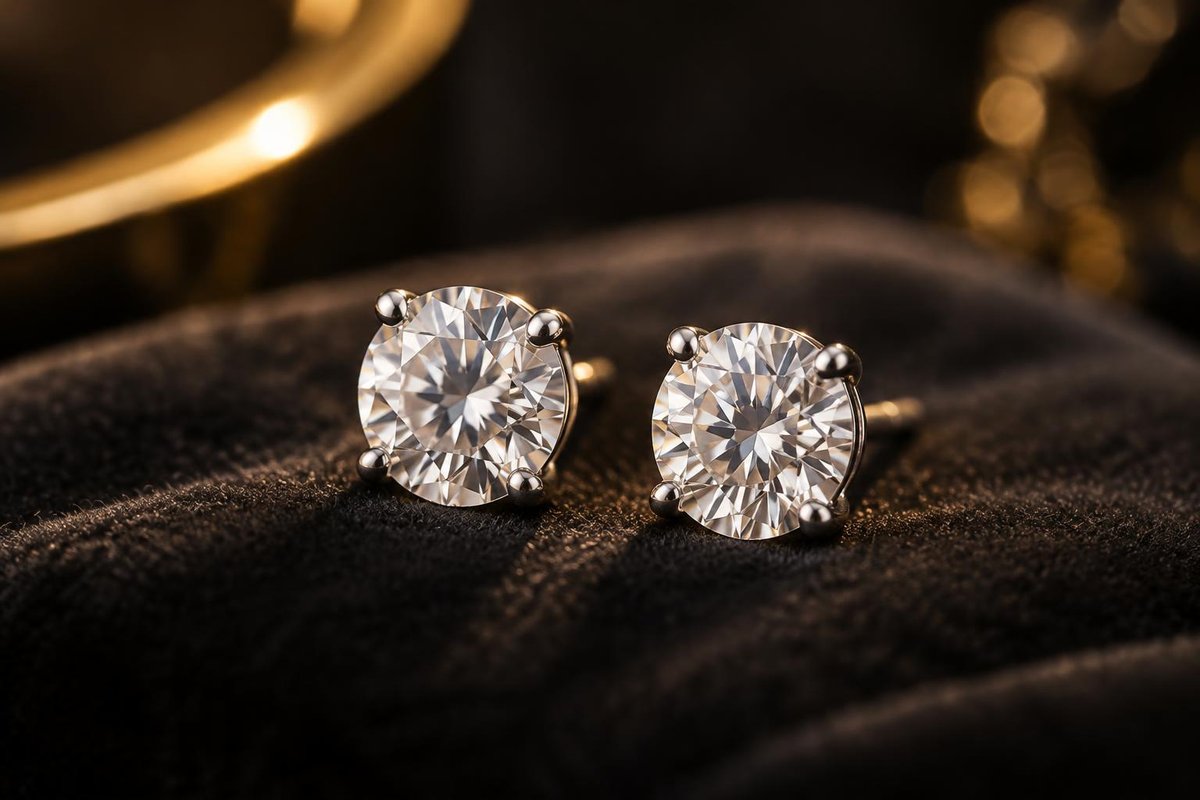
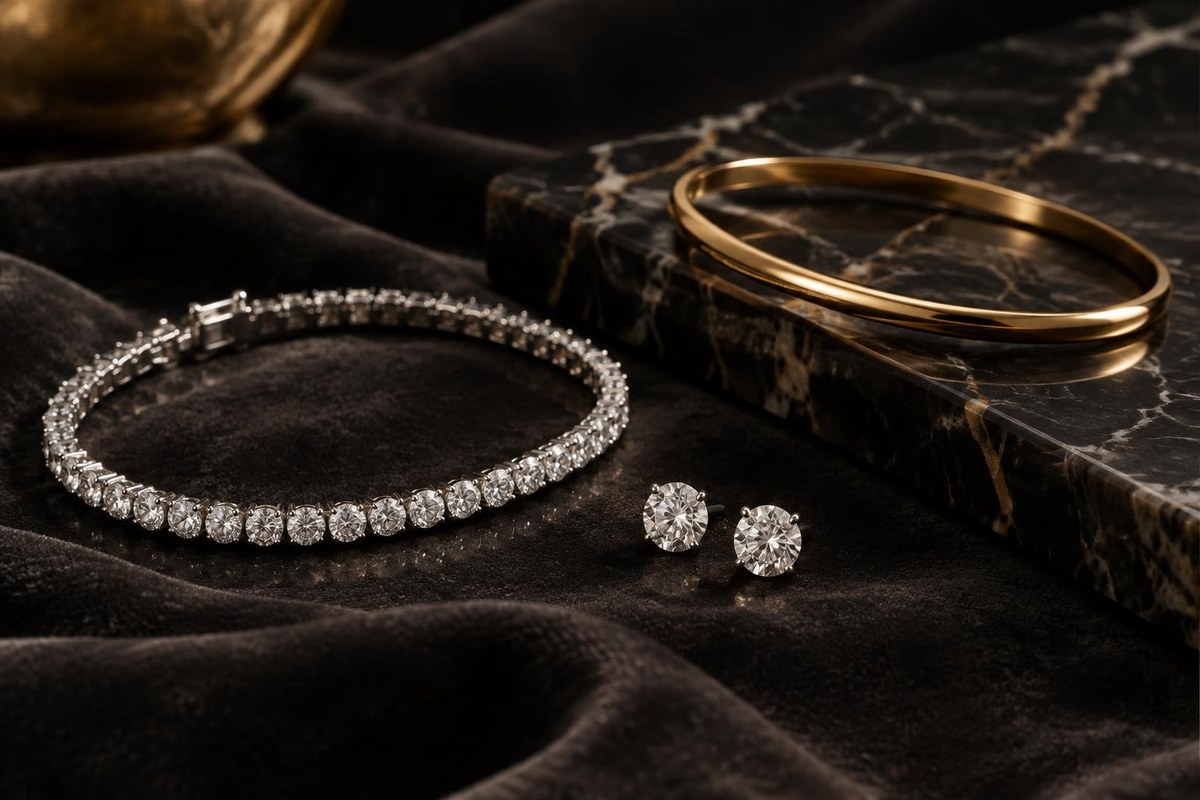
Choose the enduring forms. The pieces that keep their place in a jewelry box are the ones with a job: a pair of diamond stud earrings worn every day, a tennis bracelet that suits both a blouse and a gown, or a signed piece from a house with a long record, such as Cartier. Our guide to choosing diamond studs this holiday covers cut, size and setting in detail.
Buy from authenticated sources. Ask how a piece was checked, who stands behind it, and what happens if it does not match its description. A seller who answers those questions in writing is worth more than one who simply has the lower price.
Let value, not discount, set the budget. Bain's finding is that jewelry grew because people believed they were getting value. Buy the piece you would still admire in fifteen years, at the carat weight and metal that suit the person wearing it — that is the version of this year's growth that makes sense for an individual buyer.
The outlook for 2027
Bain's most likely scenario for next year is between flat and 4% growth at constant currency — a market steadying rather than surging. Brand profit margins are holding stable, and the firm expects further operational rewiring around artificial intelligence and digital tools behind the scenes.
The longer-term opportunities the study points to are the ones that flatter jewelry most: consumers living longer and buying across a wider stretch of life, and luxury aligning itself more with how people live than with what they own. Both argue for fewer, better things — and for pieces that can be worn, documented and handed on.
The takeaway
Read plainly, the 25th Luxury Study says that in a year of thin growth, the category people chose was the one they could explain to themselves. That is a durable reason to buy, and it is a better one than a trend. This holiday, buy the piece with the grading report, the signature and the paperwork in hand — New or Pre-Loved (Certified), with complimentary shipping from LuxyVerse.
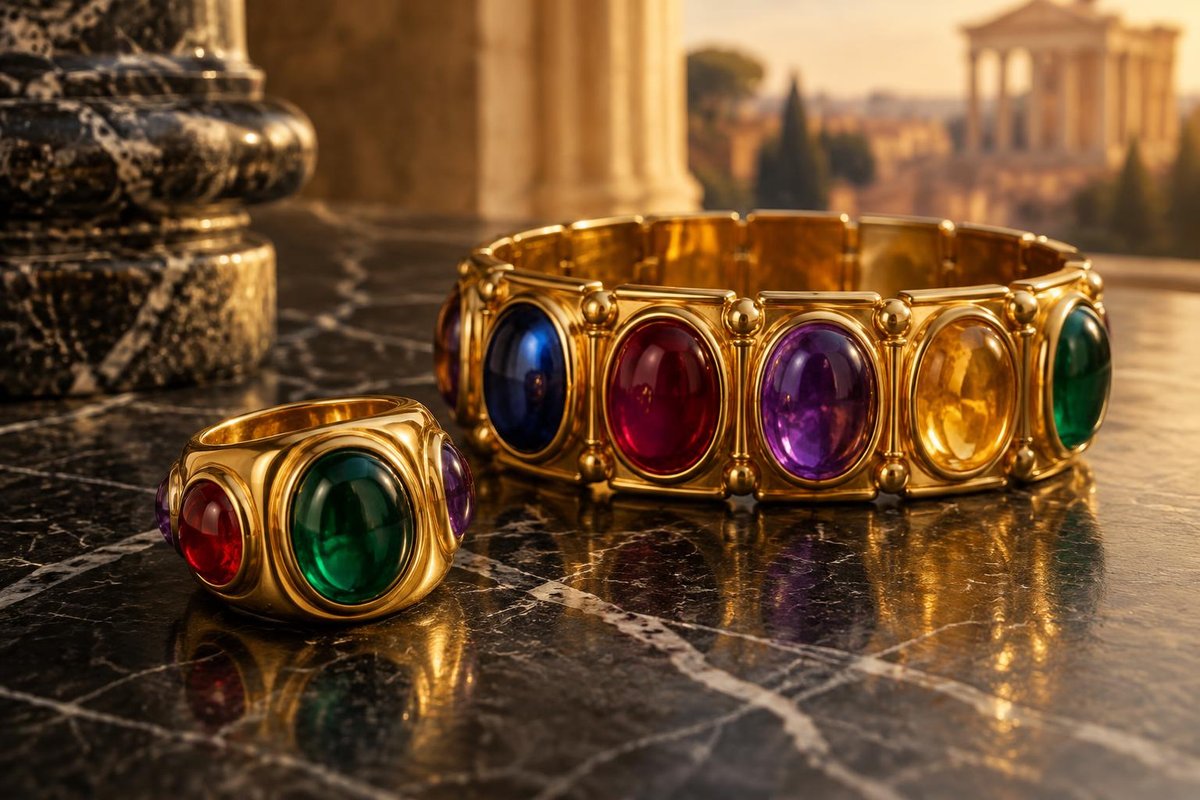
Source: Bain & Company, 25th Luxury Study, published 18 November 2026 by Claudia D'Arpizio and Federica Levato — bain.com/insights/luxury-holds-its-ground-in-2026-with-new-opportunities-ahead-snap-chart. The featured image is brand-neutral and AI-generated; it does not depict any specific product.