Paolo Bulgari (1937–2026): The Gem Man Who Made Bulgari a Global Icon
Paolo Bulgari, chairman of the Roman house that carries his family's name, died in Rome this week at the age of 89. His family announced his death on Saturday 21 November 2026, according to Euronews, and called him "the greatest jeweller of our time". They praised his humanity and his talent as an entrepreneur who loved Italy and served as its ambassador. It is a fitting description for a man whose working life was spent among precious stones, and whose taste shaped one of the most recognisable signatures in jewelry.
What follows is a tribute to that life and a look at what his design language means for anyone who buys signed Bvlgari jewelry and watches today.
Roman roots
Paolo Bulgari was born in Rome in 1937, the grandson of Sotirio Bulgari, who founded the house in the city in 1884, Euronews reports. He belonged to the third generation of the family to lead it, and Rome was never simply a backdrop. The ancient art of Rome and Greece runs through the house's work, and the historic boutique on Via dei Condotti would remain part of his working life into his later years.
That continuity matters. A house led by the family whose name it carries keeps a direct line to its origins, and that line goes some way to explaining why its look has stayed so coherent.
A gemologist at the helm
He joined the family business in 1960, working alongside his father Giorgio, according to Euronews. His particular gift was for precious stones. He developed a deep expertise in them and became internationally recognised for his knowledge of gemstones, which set him apart from many heads of luxury houses whose strengths lay in commerce or marketing rather than in the material itself.
A chairman who can judge a stone by eye brings a particular discipline to a house. Choices about colour, cut and proportion are made by someone who understands what a gem can and cannot do, and that understanding tends to show in the finished jewel.
The Bulgari look: colour, cabochons and bold gold
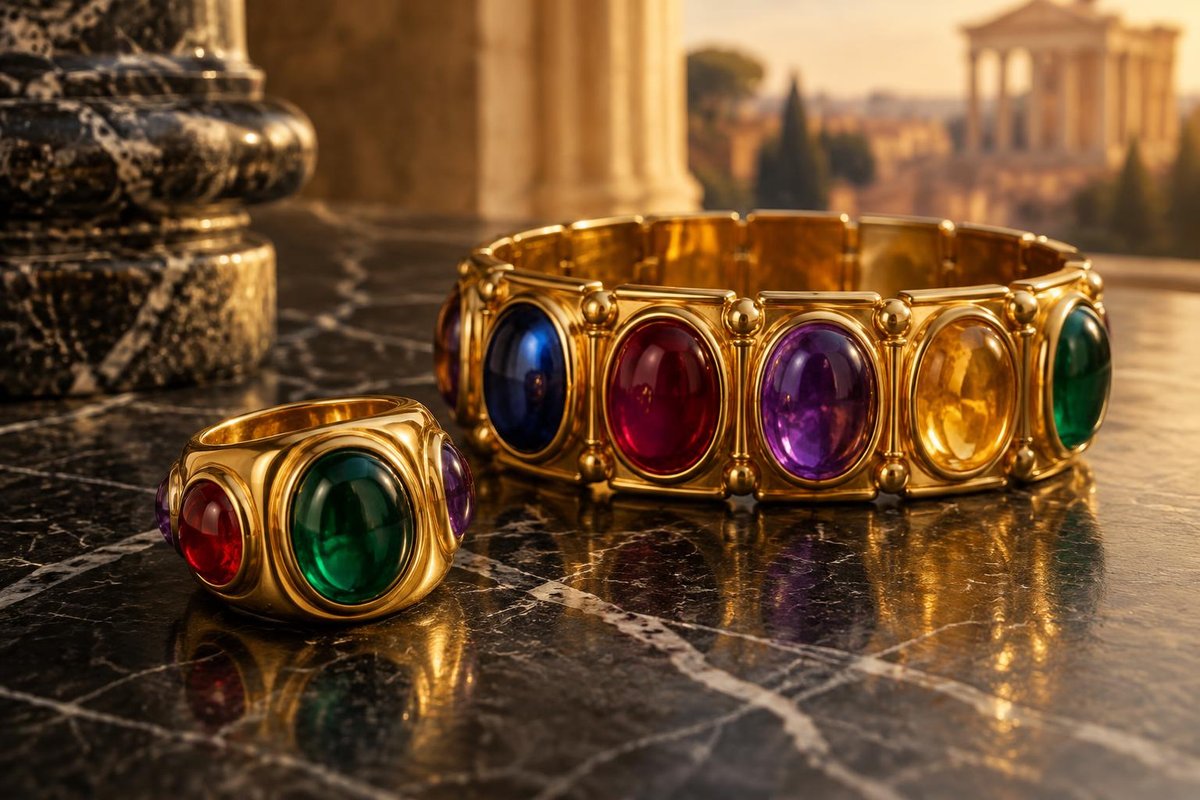
As Euronews notes, the house became known for colourful gemstones, bold gold jewelry and a distinctive use of cabochon-cut stones. Its designs, often inspired by ancient Greek and Roman art, became synonymous with Italian luxury.
Each of those elements is worth pausing on. The cabochon, a smooth, domed stone without facets, asks the eye to read depth and saturation rather than sparkle, and it rewards a jeweler who chooses stones for their colour above all. Bold gold gives the pieces weight and presence, closer to sculpture than to filigree. And the classical references lend the jewelry a sense of permanence: it looks as though it belongs to a longer story than a single season. Put together, colour, volume and the memory of antiquity form a design language that is recognisable across a room, which is exactly why signed pieces remain so sought after.
From Rome to the world
Paolo Bulgari became chairman in 1984, as both the BBC and Euronews report, and worked closely with his brother Nicola and his nephew Francesco Trapani to expand the house internationally. Under their leadership, Bvlgari grew beyond jewelry into watches and accessories, carrying its Roman identity into new categories and new markets.
The house's reputation abroad was helped by famous admirers. Euronews names Elizabeth Taylor among the most celebrated, noting that she helped cement Bvlgari's international standing.
In 2011 the family sold its controlling stake to LVMH in a deal worth approximately €3.7 billion, according to Euronews. He later described the decision as painful, made partly out of responsibility to the company's employees and concerns about the generational transition. Yet he never stepped away from the work he loved. He remained closely connected to the brand, kept designing jewelry into his later years and sometimes worked behind the counter at the Via dei Condotti boutique, introducing himself simply as a shop assistant, Euronews reports. It is hard to think of a more eloquent portrait of a man who valued the craft over the title.
Why signed Bvlgari endures with collectors
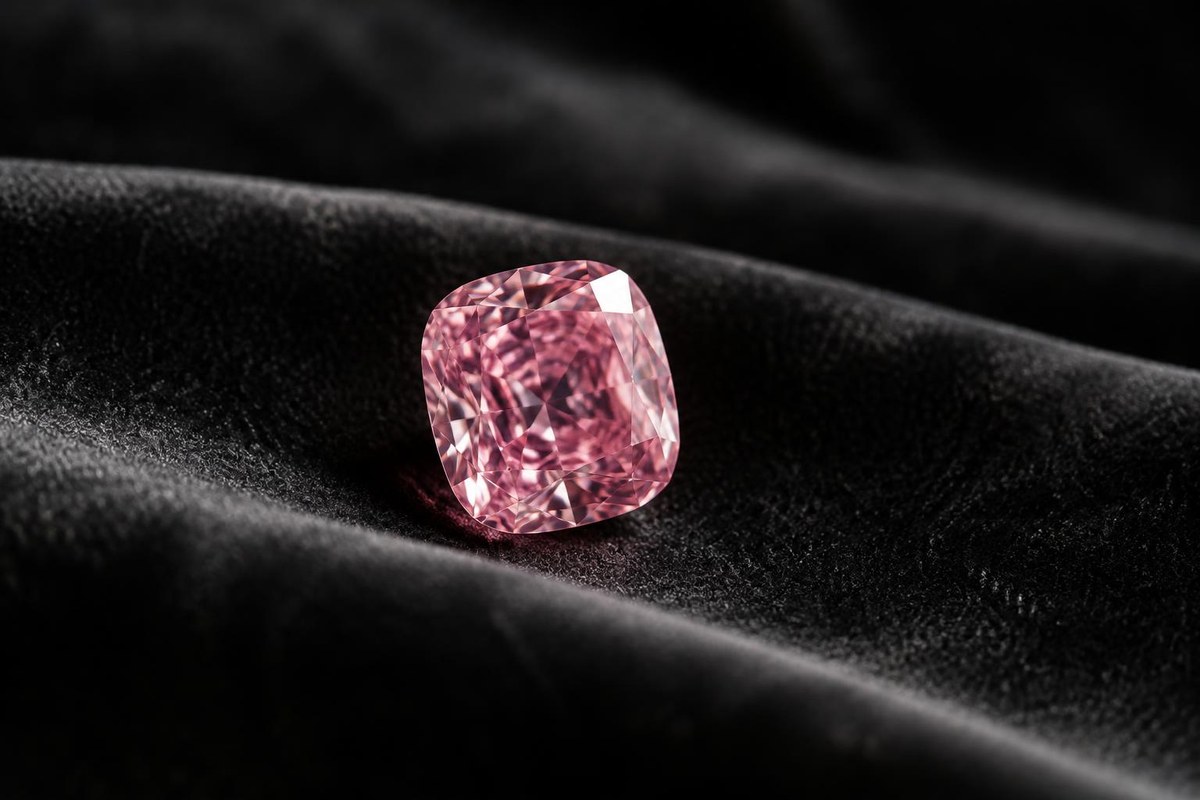
The strength of the house's signature was on display in Geneva only this month. At Christie's, a Bvlgari ring set with a 24-carat pink diamond sold for CHF 12.086 million, as Katerina Perez reported in The Week in Jewellery. Our preview of the Geneva jewel auctions looked at that ring and the stories behind the week's other headline lots.
A result of that kind rests on more than the stone. It reflects a name collectors trust, a recognisable style and a history that can be traced. Those same qualities apply, on a different scale, to signed Bvlgari jewelry and watches bought today. A piece that clearly speaks the house's language of colour and gold, and that carries its signature with confidence, tends to hold the interest of buyers long after fashions have moved on.
Collecting signed Bvlgari today
For those drawn to the house's work, a few principles help separate a lasting purchase from a disappointing one:
- Look for the signature and hallmarks. Check that the maker's mark, metal marks and any serial or reference numbers are present, crisp and consistent with the piece's style and period.
- Value provenance and paperwork. Original boxes, certificates, receipts and service records strengthen a piece's story and make it easier to verify.
- Buy Pre-Loved (Certified) from a source that guarantees authenticity. A seller who inspects each piece and stands behind it removes much of the risk. Our Authenticity Promise explains how we approach that process.
- Inspect the gold and the stones. Look for wear on bold gold surfaces, check that cabochons sit securely and are free of chips, and examine clasps, hinges and links for signs of repair.
- Buy what you will wear. The house's jewelry was made to be lived in. Choose the piece that suits you, then let the documentation support the choice.
Our wider fine jewelry collection brings together signed and unsigned pieces, New and Pre-Loved (Certified), for those who want to explore the same spirit of colour and gold.
A graceful close
Paolo Bulgari's working life ran from his arrival beside his father in 1960 to his later years, when he was still designing jewelry and sometimes serving at the shop counter. He leaves behind a house that took Roman colour and gold to the world, and a design language that collectors still recognise at a glance. The most fitting tribute may be the simplest: to look closely at a well-made jewel, to understand the stone at its heart, and to wear it with pleasure.
Sources: Euronews (21 November 2026); BBC; AP; WWD; The National; Katerina Perez, The Week in Jewellery.
Featured image: an original AI-generated, brand-neutral still life of yellow-gold jewelry set with coloured cabochon gemstones on dark marble; it does not depict any Bvlgari piece or any person.